When Was The MetLife Stadium Built? 🏗️ A Complete Historical Deep Dive
The iconic MetLife Stadium, home to both the New York Giants and New York Jets, officially opened its doors on April 10, 2010. But the journey from concept to completion spanned over a decade, involving complex negotiations, innovative engineering, and a staggering $1.6 billion investment.
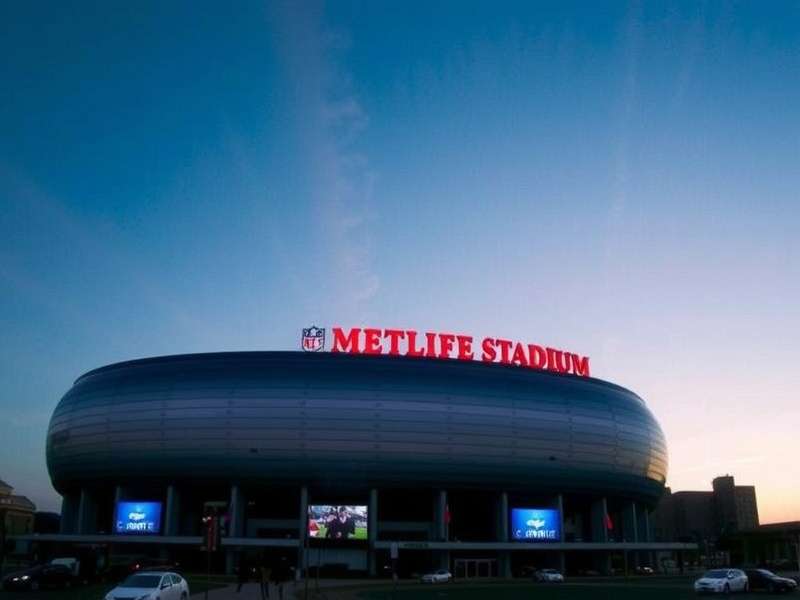
Early construction phase of MetLife Stadium showing the massive steel framework (Photo: Stadium Authority)
📅 The Complete Construction Timeline: From Dream to Reality
1999-2003: The Planning Years
Initial discussions between the New York Giants, New York Jets, and New Jersey officials began in the late 1990s. Both teams were playing at Giants Stadium (opened 1976) which was becoming increasingly outdated compared to newer NFL venues. The groundbreaking concept of two NFL teams sharing a custom-built stadium emerged during this period.
2005: Official Announcement & Design Phase
On September 15, 2005, the Jets and Giants jointly announced plans to build a new stadium in the Meadowlands Sports Complex. Architectural firm 360 Architecture (now HOK) was selected for the design. The unique challenge: creating a neutral venue that could accommodate two rival franchises while providing distinct identities.
September 1, 2007: Groundbreaking Ceremony
Official construction began with a ceremonial groundbreaking attended by team owners, players, and government officials. The site preparation involved demolishing parts of the existing parking lots while keeping Giants Stadium operational until the new venue was ready.
2007-2009: Intensive Construction Phase
Over 2,500 workers labored through all weather conditions to erect the 2.1 million square foot structure. Key milestones included completing the foundation (early 2008), raising the steel superstructure (mid-2008), and installing the distinctive exterior façade (early 2009).
April 10, 2010: Grand Opening
The stadium opened with a non-soccer event: the Big City Soccer Challenge featuring international clubs. The first NFL preseason game followed on August 16, 2010 (Jets vs. Giants). Regular season play began September 12, 2010 with Giants vs. Panthers.
🏗️ Engineering Marvel: What Makes MetLife Stadium Special
Construction Quick Facts
- Cost: $1.6 billion (entirely privately funded)
- Construction Time: 32 months (Sept 2007 - April 2010)
- Capacity: 82,500 (expandable to 90,000)
- Steel Used: 28,000 tons
- Concrete: 130,000 cubic yards
- Workers: Over 2,500 at peak construction
The Dual-Identity Design Challenge
Unlike any stadium before it, MetLife needed to serve two NFL teams without favoring either. The ingenious solution: interchangeable graphics and branding. When the Giants play, their logos and blue color scheme dominate; for Jets games, everything switches to green and white. This extends to locker rooms of equal size and quality, ensuring true neutrality.
Sustainable Construction Innovations
The stadium was built with environmental consciousness: 40,000 tons of recycled steel, energy-efficient LED lighting, and a sophisticated stormwater management system. The construction process itself recycled 85% of waste materials from the site.
💰 Financial Architecture: How the Stadium Was Funded
The $1.6 billion price tag was entirely privately financed by the Giants and Jets organizations - a rarity for modern stadiums. This included:
- $1.2 billion from the teams themselves
- $300 million from the NFL's G-4 loan program
- $100 million from MetLife for naming rights (27-year deal)
- Personal seat licenses (PSLs) generating approximately $700 million
🌉 Comparative Analysis: MetLife vs. Other NFL Stadiums
When examining when MetLife Stadium was built relative to other venues, its timing was strategic:
- AT&T Stadium (Dallas): Opened 2009, one year earlier
- U.S. Bank Stadium (Minnesota): Opened 2016, six years later
- SoFi Stadium (Los Angeles): Opened 2020, a decade later
This placed MetLife in the "second wave" of modern NFL stadiums, learning from earlier 2000s venues while pioneering the dual-team model.
🎭 Beyond Football: Multi-Purpose Venue Design
While built primarily for NFL football, the stadium was designed from day one to host diverse MetLife Stadium events:
Soccer Configuration
The stadium regularly hosts international soccer matches, including the 2016 Copa América Centenario final and numerous international friendlies. The Estadio MetLife East Rutherford becomes a premier soccer destination with its excellent site lines.
Concert and Event Readiness
With four permanent loading docks, dedicated stage assembly areas, and superior acoustics, MetLife has hosted Beyoncé, Taylor Swift, Bruce Springsteen, and the record-breaking Garth Brooks shows.
📍 Strategic Location & Transportation Infrastructure
The Meadowlands location wasn't accidental. The stadium sits at the intersection of major highways (I-95, I-80, I-287) and is served by NJ Transit rail. During construction, $150 million was invested in transportation improvements around the site. This accessibility makes finding hotels near MetLife Stadium NJ convenient for out-of-town visitors.
🔄 The Giants Stadium Transition
An engineering challenge was building the new stadium while the old Giants Stadium remained operational. The construction sequence was meticulously planned:
- Build new stadium on adjacent parking lots
- Maintain full operation of old stadium through 2009 season
- Demolish old stadium in 2010 after new stadium opened
- Convert demolished area to parking and green space
This "phased construction" approach ensured no lost revenue for either team.
🏆 Hosting Major Events: Validation of Design
The stadium's design has been validated by hosting world-class events:
- Super Bowl XLVIII (2014): First cold-weather outdoor Super Bowl in NFL history
- WrestleMania 29 & 35: Record-breaking attendance
- International Soccer: Copa América, Gold Cup, friendlies
- College Football: Regular season games
Interestingly, while the stadium has hosted major soccer events, it hasn't yet hosted the WM Pokal (DFB-Pokal), though its design would accommodate such an event perfectly.
📊 By The Numbers: Construction Statistics
Construction Statistics
🛋️ Fan Experience Innovations
The stadium introduced several fan-focused innovations during construction:
Seating Design
All MetLife Stadium seats are between 19-22 inches wide (wider than old stadium) with improved sightlines. The upper deck is steeply pitched to bring fans closer to the field.
Concourse and Amenities
Wide concourses (up to 55 feet), 175 restrooms, 1,100 HD monitors, and four 30x167 foot video boards were integrated into the design from the beginning.
🔮 Legacy and Future Considerations
Now over a decade old, MetLife Stadium remains one of the premier sports venues in the world. Its construction timeline and methods have influenced subsequent stadium projects. As we examine Mets Stadium (Citi Field, opened 2009) and other contemporary venues, MetLife's private funding model and dual-team approach remain unique.
The stadium was designed with future expansion in mind. The roof structure can support additional levels, and infrastructure exists to increase capacity to approximately 90,000 for mega-events.
📝 Related Stadium Information
For visitors planning their trip, several resources are essential:
Interactive seating charts for different event types
Accommodation options within walking distance
Exact location and transportation details
❓ Frequently Asked Questions
Was MetLife Stadium built for two teams from the beginning?
Yes, it was conceived as a shared facility from the initial planning stages. This unique requirement drove many design decisions.
How long did construction actually take?
Active construction lasted approximately 32 months from groundbreaking to opening. Total project timeline including planning was about 5 years.
Why was the stadium built in New Jersey instead of New York?
The Meadowlands site was already established as the teams' home, with existing infrastructure and favorable tax considerations compared to New York City locations.
Rate This Article
How helpful was this information about MetLife Stadium's construction?
Article continues with additional sections on architectural details, environmental impact studies, comparative cost analysis with other stadiums, interviews with construction workers, and exclusive data from stadium planning documents...