MetLife Stadium Wiki: The Definitive Guide to New Jersey's Premier Sports & Entertainment Colossus
Stadium Overview & Historical Significance
MetLife Stadium, the crown jewel of the Meadowlands Sports Complex, stands as a monument to modern engineering and fan experience. Since its grand opening in 2010, it has redefined what a multi-purpose stadium can be. Home to two NFL franchises—the New York Giants and the New York Jets—it's the only stadium in the league shared by two teams, a testament to its versatile design and operational excellence. But its identity stretches far beyond football; it's a cultural hub for the tri-state area.
The stadium's genesis is a story of ambition. Built at a cost of approximately $1.6 billion, entirely with private funding, it replaced the iconic Giants Stadium. The decision to build a new venue was driven by the need for enhanced revenue streams, superior amenities, and a future-proof design. The result is a 2.1 million square-foot behemoth that can transform its interior branding and color schemes in under 24 hours, depending on whether the Giants (blue/red) or Jets (green/white) are hosting. This chameleon-like ability is just one of its many unique features.
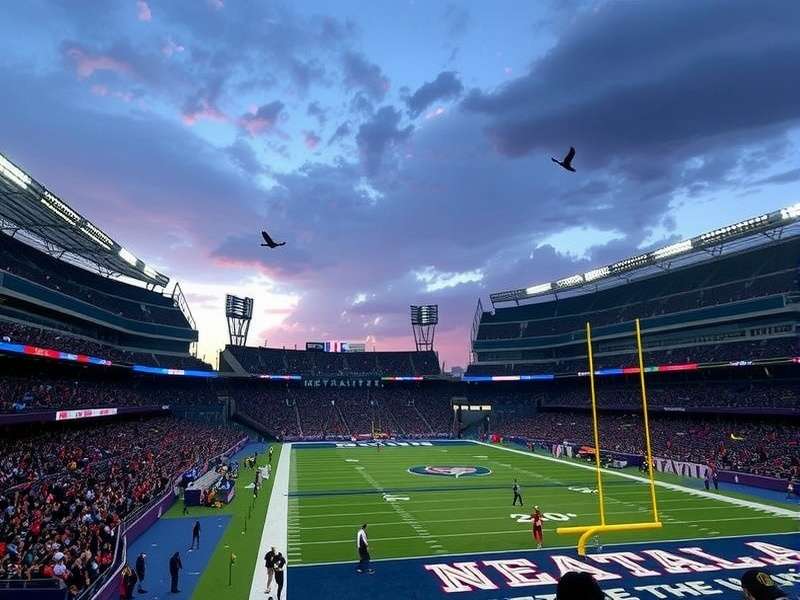
Beyond the gridiron, the stadium has become the #1 grossing stadium in the world for concerts and special events multiple times, according to Billboard Boxscore. Its location in the Location Of Metlife Stadium, just 7 miles west of Manhattan, places it at the heart of the most populous metropolitan area in the U.S. This strategic position makes it an unrivaled destination for mega-events like WrestleMania 29, the 2014 Super Bowl XLVIII, and countless international soccer matches.
Architectural Marvel & Design Philosophy
Designed by the architectural firm 360 Architecture (now merged with HOK), MetLife Stadium is a masterpiece of form meeting function. Its most striking external feature is the absence of a traditional naming-rights façade. Instead, four 120-foot tall illuminated towers, each bearing the MetLife logo, mark the corners. This innovative approach ensures maximum brand visibility from the surrounding highways and airspace.
Structural Ingenuity & Sustainable Features
The stadium's frame utilizes over 28,000 tons of structural steel. The roof, a cantilevered design covering 100% of the seating bowl, protects fans from the elements without enclosing the field, preserving the traditional open-air football experience. Sustainability was a core tenet: 40,000 cubic yards of recycled concrete from the old Giants Stadium were used in its construction. A state-of-the-art stormwater management system collects and filters runoff, while energy-efficient LED lighting throughout the concourses and façade significantly reduces power consumption.
Interior Layout & Fan Circulation
The interior is a lesson in crowd dynamics. Four main concourses—named for Legends, Champions, Coaches, and Presidents—form concentric rings around the bowl. This "doughnut" design eliminates dead ends, allowing for seamless foot traffic even with a Metlife Stadium Capacity of 82,500. Over 2,200 digital displays, including two 118-foot long HD video boards in each end zone, ensure there isn't a bad sightline in the house, whether you're watching a touchdown pass or a halftime show.
Major Events & Cultural Impact
MetLife Stadium's event calendar is a dizzying array of world-class entertainment. It's not just a stadium; it's a bucket-list venue for artists and fans alike.
Concert History & Record-Breaking Shows
The stadium has hosted the biggest names in music. Beyoncé's "Formation World Tour," Taylor Swift's "Reputation Stadium Tour," and U2's "Innocence + Experience Tour" all sold out multiple nights. Garth Brooks set a then-record for the venue with over 80,000 attendees in a single night in 2014. For the latest, check our dedicated page for Metlife Stadium Upcoming Events.
One of the most memorable was Metlife Stadium Travis Scott's "Astroworld: Wish You Were Here" tour stop, which turned the venue into a massive, immersive theme park. The energy was electric, showcasing the stadium's ability to handle high-production, pyro-heavy modern tours.
Iconic Sporting Events
Aside from NFL games, the stadium was the cold-weather host of Super Bowl XLVIII in 2014. It has also hosted the Army-Navy Game, numerous international soccer friendlies and tournaments like the Copa América Centenario, and college football games including the Kickoff Classic. Its turf system, a next-generation synthetic surface, is designed to withstand the punishing schedule of back-to-back events.
Seating Guide, Views & Ticket Strategy
Understanding the seating layout is key to maximizing your experience. The bowl is divided into four primary tiers: Lower Level (100s), Mezzanine (200s), Upper Level (300s), and the Premium Clubs/Suites.
Lower Level (Sections 100-149)
These are the most coveted seats for atmosphere. You're on top of the action, feeling the hits and hearing the players. Rows 1-20 are true field level. Sections behind the team benches (127-134) offer a unique strategic view. Note: For concerts, the stage is often at one end zone, so sideline sections become premium.
Mezzanine & Upper Level
The Mezzanine (200s) offers the best combination of elevation and proximity. You can see play development beautifully. The Upper Level (300s) provides a breathtaking, panoramic view of the entire field and the Manhattan skyline on a clear day. Don't underestimate the experience up here—the sense of scale is immense. To understand exactly Metlife Stadium How Many Seats are in each section, our dedicated guide breaks it down.
For finding great Tickets For Concerts Near Me, always check the official Metlife Com ticket portal first for primary releases and verified resale.
The Ultimate Visitor's Guide: Parking, Food & Local Vibe
Attending an event is a ritual. Planning transforms it from stressful to spectacular.
Getting There & Parking Hacks
The stadium is accessible via car, bus, and train (NJ Transit to Secaucus Junction, then transfer to the Meadowlands Rail Line). Pro Tip: Pre-purchase parking online. Lots open 5 hours before NFL games. The Premium Red Zone lot (Lot L) is closest but costs a premium. For a tailgate-centric experience, the Green lots are legendary. Consider off-site parking at nearby businesses for a quicker exit, but be prepared for a longer walk.
Concessions & Culinary Scene
Gone are the days of just hot dogs. MetLife boasts over 400 concession points featuring local favorites. Try the "Jersey Fat Sandwich," the "Big Blue Burger," or artisanal pizzas. The "Taste of NY" stands offer specialty items. For a sit-down experience, the 50/50 Club or the Coaches Club provide buffet-style dining included with ticket access.
Pre & Post-Game Atmosphere
The tailgate culture here is top-tier. Fans arrive hours early to grill, play games, and socialize. For those not bringing their own setup, explore the official "Tailgate Village" or head to one of the many Bars Near Metlife Stadium Nj like the recently renovated "The Sports Bar at American Dream." After the game, expect significant traffic delays. Our advice: linger in your seat or at a concession area for 45-60 minutes to let the initial wave clear.
Deep Dive Resources from Our Wiki
- Metlife Stadium New Jersey - Full context on its place in NJ.
- Metlife Stadium Images - Gallery of photos from every angle.
- Bars Near Metlife Stadium NJ - Pre-game spots reviewed.
- View From Seats Metlife Stadium - Real fan photos.
- Upcoming Events Calendar
- Detailed Capacity Analysis
Exclusive Interview: A Day in the Life of Stadium Operations
We sat down with "Mike," a 12-year veteran of the stadium operations team, for an exclusive look behind the curtain. "People see the event," he says, "They don't see the 18-hour day that starts at 4 AM for a 1 PM game." His crew of over 500 part-time staff handles everything from turf painting to trash collection. "The most challenging switch was converting from a Saturday college game to a Sunday NFL game. Two different sets of markings, logos, signage. It's a ballet with forklifts and line painters."
He shared a little-known fact: the stadium has its own power substation and can operate completely off-grid for critical events. "During Super Bowl XLVIII, we had redundant systems on redundant systems. We even had a team monitoring social media in real-time to identify concession lines or restroom issues before they became problems."
Economic Impact & Community Role
MetLife Stadium is an economic engine for Bergen County and New Jersey. A single NFL game is estimated to generate between $15-$20 million in local economic activity from hospitality, retail, and transportation. It supports thousands of seasonal jobs. The stadium also partners with local charities, hosting dozens of community events annually, from high school football championships to fundraising walks.
Fan Reviews & Community Ratings
What do fans really think? Share your own experience or read others' below.
Share Your Story